
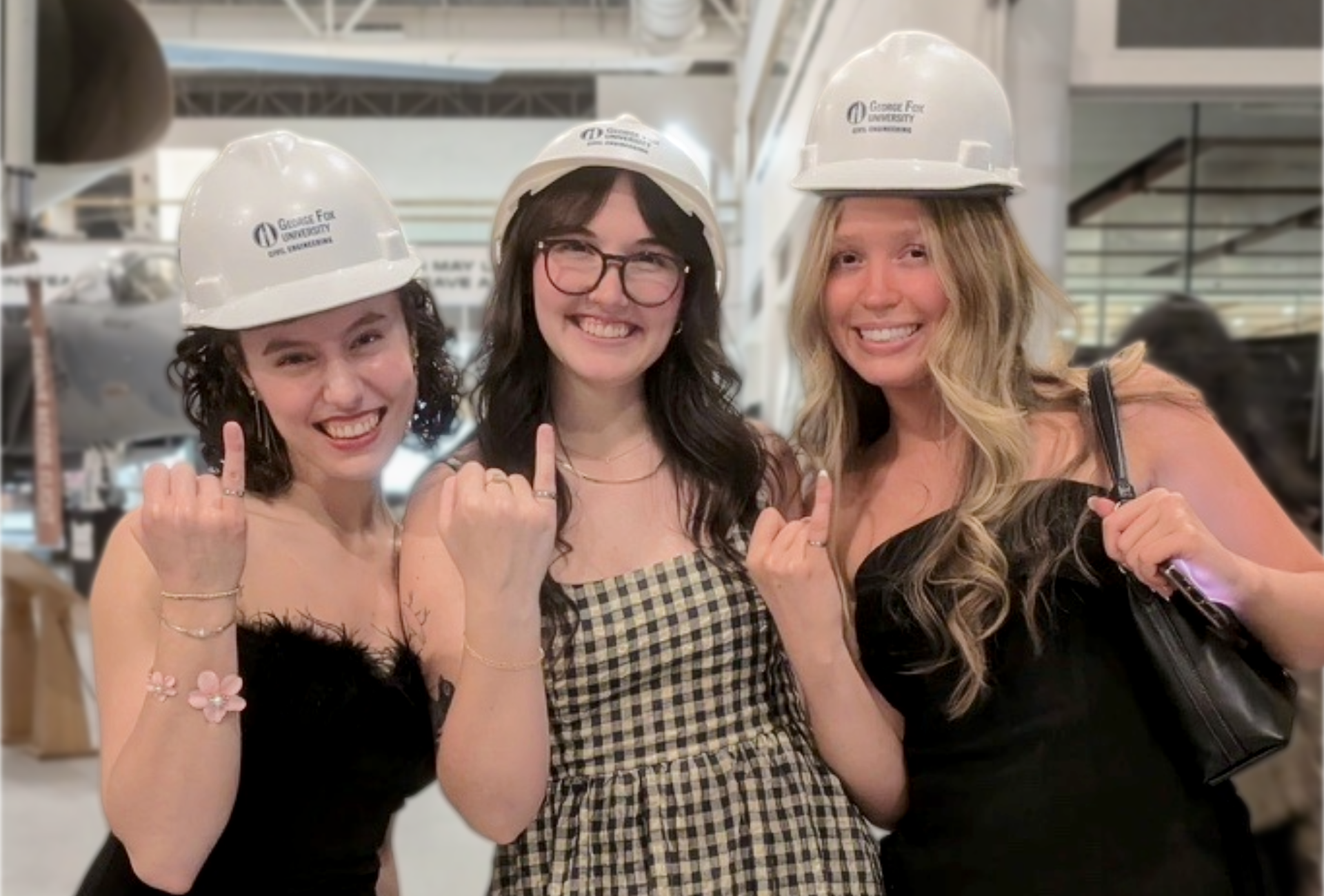
Each February, during Engineers Week, Introduce a Girl to Engineering Day highlights the importance of early exposure, mentorship, and representation in engineering. The day encourages girls to explore engineering not just as a career, but as a creative, collaborative way to solve problems and make a meaningful impact.
There’s no single path into engineering, and our team’s experiences reflect that. Their stories highlight curiosity, encouragement, and hands-on learning; exactly the kinds of moments Girl Day is designed to create. Recently, we spoke with four women on our team, all Engineers-in-Training (EITs), about how they found engineering, what surprised them once they started, and what they would tell girls just beginning to imagine their futures.
Finding Engineering
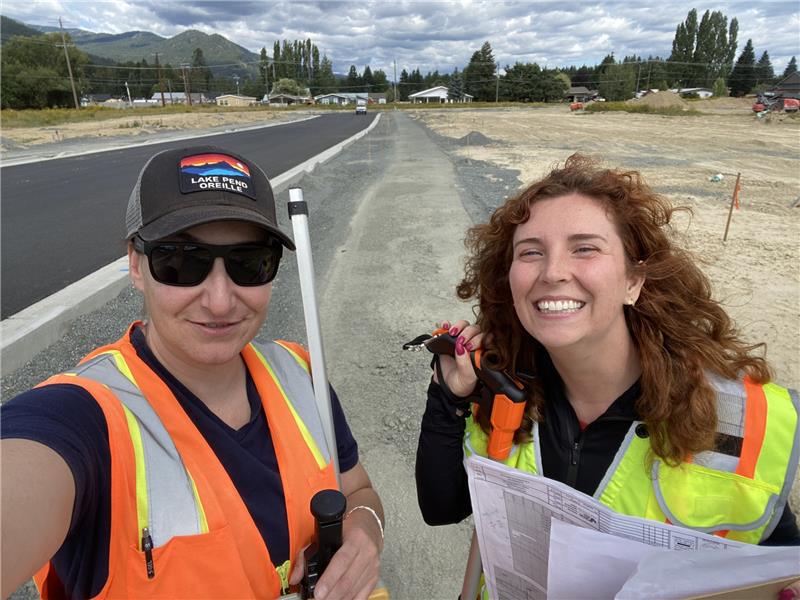
For most of our group, the idea of engineering became real through small but meaningful moments. Exposure in the classroom, conversations with mentors, and early role models all played a part in shaping their paths.
Emma Bradford remembers how impactful it was to see a woman teaching and talking about engineering.
“Seeing that there were other women in STEM and doing cool things made me realize that this was a possibility for me,” she said. “That mentorship really mattered.”
Others were drawn in simply by following what they enjoyed. Teagan Clancy recalls knowing she liked math and physics, but not yet knowing how that could translate into a career.
“I literally Googled, ‘What can I do that makes me money?’” she laughed. “Engineering came up, and I went down a rabbit hole learning about what it actually was.”
For Ava Brawley, engineering wasn’t fully defined at first. A family friend introduced her to the idea, but it wasn’t until a hands-on college project came together that everything clicked.
“I remember our freshman year, we had to create an engine off of oscillating air. At the end of the first semester, when I finally saw all of my hard work and then the engine ran, I thought, ‘Oh wait, I do like this, and I can see how I could be good at it.’”
Hannah LaVonne’s path evolved as her interests did, eventually leading her toward work that felt more tangible and community-focused.
“I originally thought I wanted to go into patent law,” she said. “But I realized I’d rather make things than patent them.”
Learning What Engineering Really Looks Like
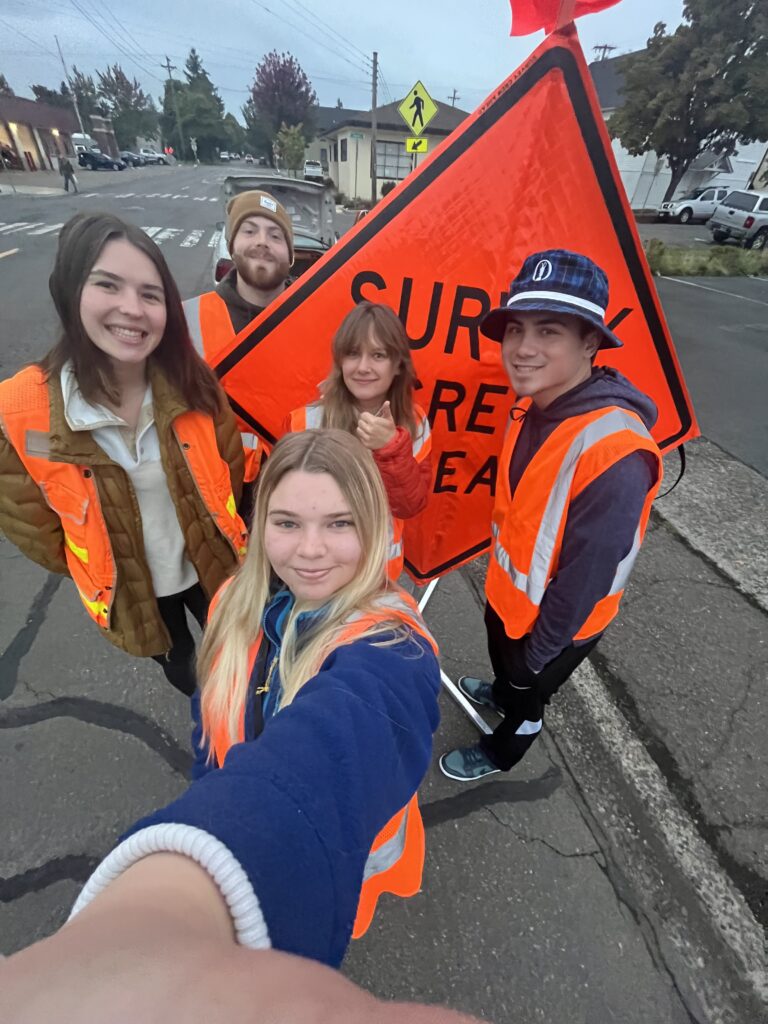
Before entering the field, our team agreed they had a narrow or incomplete idea of what engineers actually do. Many expected constant calculations or highly technical work, only to discover that collaboration, design tools, and problem-solving play a much larger role in day-to-day life.
Emma noted that while school can feel overwhelming, professional practice often looks very different.
“School makes it feel really intense,” she explained. “But day to day, what we’re doing is much more manageable than calculus makes it seem.”
For Teagan, learning what different engineering disciplines involve helped her find the right fit.
“I started in mechanical engineering and realized pretty quickly it wasn’t for me,” she said. “Then I saw what civil engineers do and thought, ‘This is the coolest thing on the planet.’”
Growing From Intern to Engineer
Internships were a turning point for many of the women interviewed, offering real-world perspective and helping them understand how engineering work comes together outside the classroom. For some, internships confirmed that engineering was the right choice. For others, they helped clarify what type of work felt most rewarding.
Ava described how her responsibilities expanded after transitioning from intern to full-time EIT.
“As an intern, I did mostly office work. When I came on as an EIT, I was out in the field and seeing the full spectrum of projects,” she said. “It was a big shift, but it helped me understand how everything fits together.”
Even less-than-ideal experiences turned out to be valuable in hindsight. Several engineers reflected on construction internships as challenging but ultimately important.
“I didn’t love my construction internship,” Teagan admitted, “but it helped me understand how things are built. That perspective makes you a better designer.”
Hannah agreed, noting that early exposure builds confidence and understanding.
“Field work is intimidating at first, but knowing what happens on a job site makes a big difference later.”
Navigating Engineering as a Woman
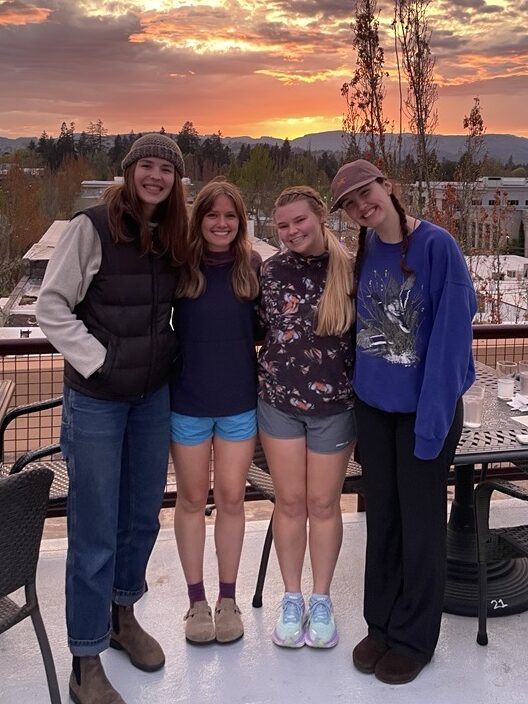
The engineers also spoke candidly about what it’s like to navigate the profession as women, particularly early in their careers. While the office environment was described as supportive and collaborative, fieldwork sometimes presented additional challenges that required confidence and self-advocacy.
Ava shared how those experiences helped her grow professionally.
“Being the only woman and the youngest person on a job site was hard,” she said. “Learning how to speak with confidence took time.”
At the same time, many emphasized the role of strong teams and mentors in creating positive work environments.
“I’ve been told before, ‘We can make good engineers, but we can’t make good teammates,’” Hannah said. “That’s what really matters in this field.”
Emma added that feeling respected and heard has made a meaningful difference in her career.
“I’ve felt comfortable sharing my ideas and opinions here, especially in design work,” she said. “That kind of environment really matters.”
Seeing the Impact in the Communities They Serve
One theme came up again and again: the pride that comes from seeing engineering work out in the real world. Whether it’s a sidewalk, roadway, or accessibility improvement, the impact of these projects is often visible in everyday life.
“I’m working on a sidewalk project near where I went to elementary school,” Hannah shared. “Seeing people use something you helped create makes it feel real.”
Emma described a similar sense of connection.
“I’ll drive by a project and think, ‘We worked on that,’” she said. “It makes you feel more invested in the place you live.”
For Ava, that connection has extended beyond work and into conversations with family.
“I’ve found myself explaining to family why things like curb ramps matter,” she said. “It’s cool to realize how passionate I’ve become about making communities safer.”
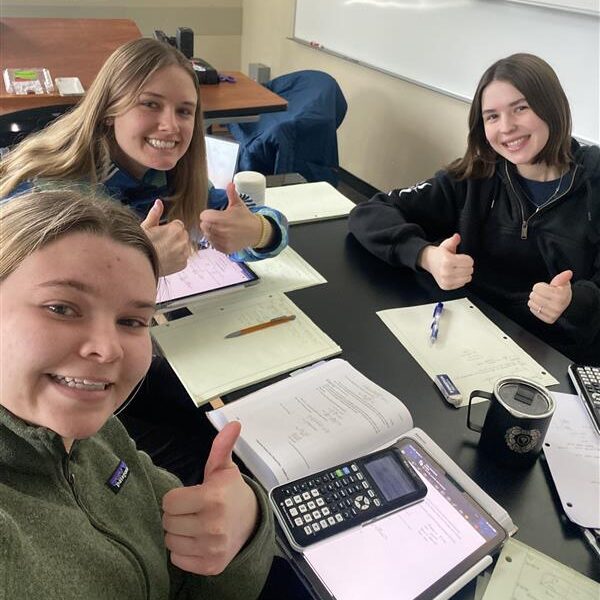
Advice for Girls Curious About Engineering
When asked what they would say to girls interested in engineering but unsure of their abilities, the message was consistent: curiosity and a willingness to learn matter more than perfection.
“You don’t use math the way you think you will,” Emma said. “If you’re even slightly considering engineering, try it, because it’s easier to switch out of engineering than it is to switch into it.”
Ava emphasized that grades don’t define long-term success.
“Your college GPA doesn’t determine how good you’ll be at your job,” she said. “Firms can teach technical skills. Being a good teammate and communicator is just as important.”
Teagan added that no one makes it through alone.
“You don’t do this by yourself,” she said. “Friends, classmates, professors, lean on them. I wouldn’t have made it through without mine. Having people to study with, ask questions, and encourage you makes a huge difference, especially when things feel overwhelming.”
Why This Matters
Introduce a Girl to Engineering Day is about creating moments of possibility. By helping girls see real people doing real engineering work, the day opens doors to futures they may not have considered before.
By sharing these stories, Century West hopes to help inspire the next generation of engineers and show that engineering is not just about equations or drawings, it’s about people, communities, and making a difference.